Key Benefits of Using Recycled Yarn for Modern Textile Manufacturing
- Jun 24
- 4 min read
Modern textile manufacturing is moving towards a more responsible and resource-conscious future. Brands, exporters, fabric manufacturers, and sourcing teams are no longer looking only at cost and quality. They are also focusing on sustainability, traceability, and long-term environmental impact.
This shift has increased the demand for recycled yarn across the textile industry. From fashion garments and knitwear to denim, home textiles, and industrial fabrics, recycled yarn is becoming a practical solution for businesses that want to reduce waste and support circular manufacturing.
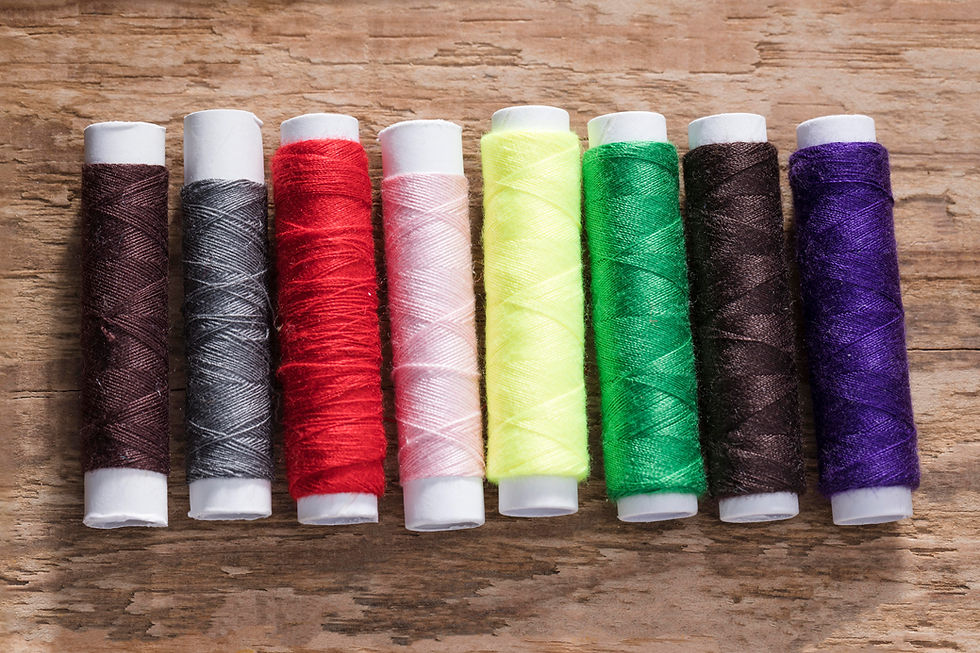
Reduces Textile Waste
One of the biggest benefits of recycled yarn is its ability to reduce textile waste. Large amounts of fabric waste, yarn waste, and used garments are generated during textile production and consumption. Instead of sending these materials to landfills, recycling allows usable fibres to be recovered and converted into new yarn. This helps manufacturers make better use of existing resources while reducing the environmental burden caused by textile waste.
Lowers Dependence on Virgin Fibres
Traditional yarn production depends heavily on virgin raw materials. Producing virgin fibres requires land, water, energy, and other natural resources. Recycled yarn helps reduce this dependence by reusing available textile materials. For brands looking to improve sustainability, working with a trusted recycled yarn manufacturer in India can help create products with lower resource impact while maintaining required quality standards.
Saves Water and Energy
Textile production can consume significant amounts of water and energy, especially during fibre processing and dyeing. Recycled yarn can help reduce this impact by lowering the need for new raw material production. Pre-dyed recycled yarn in India is especially useful because it uses fibres that already contain colour. This can reduce additional dyeing requirements and support more efficient production. For manufacturers, this means better resource management and improved sustainability performance.
Supports Circular Fashion
Circular fashion focuses on keeping materials in use for as long as possible. Recycled yarn plays an important role in this model by giving textile waste a second life. Instead of following a linear process of produce, use, and discard, recycled yarn supports a circular system where waste becomes a valuable input for new textile products. This is one reason many fashion brands and exporters are looking for a sustainable yarn manufacturer in India that can support circular production goals.
Offers Customization Flexibility
Modern textile products require different colours, counts, blends, textures, and performance characteristics. Recycled yarn can be customized to suit different end-use applications. A customizable yarn manufacturer in India can develop yarn based on specific requirements such as colour tone, fibre blend, yarn count, softness, durability, and fabric application. This helps brands create unique collections while staying aligned with sustainability goals.
Improves Brand Sustainability Value
Consumers and retailers are becoming more conscious about responsible sourcing. Brands that use recycled yarn can strengthen their sustainability story and show a clear commitment to reducing waste. For B2B buyers, sustainable material choices can also support compliance, reporting, and retailer requirements. Using recycled yarn allows textile businesses to build products that are both commercially relevant and environmentally responsible.
Supports Blended Yarn Innovation
Recycled yarn does not have to be limited to one fibre type. It can be blended with other compatible fibres to improve strength, comfort, appearance, or performance.
A blended recycled yarn manufacturer in India can create yarn solutions for garments, knitwear, denim, home textiles, and other applications. Blended yarns give manufacturers greater flexibility while still supporting sustainable production.
Helps Reduce Dyeing Impact
Dyeing is one of the most resource-intensive stages in textile manufacturing. Recycled colour yarn can help reduce this impact because it is made from sorted coloured textile waste. By using colour from existing fibres, manufacturers can reduce the need for fresh dyeing in certain yarn applications. This supports lower chemical usage, lower water consumption, and more responsible production.
Strengthens Supply Chain Responsibility
Textile buyers are increasingly choosing suppliers who can provide responsible and transparent sourcing options. Recycled yarn helps manufacturers align with these changing expectations. A reliable recycled yarn manufacturer in Tiruppur or other textile hubs in India can support brands with consistent supply, quality control, and sustainable yarn development. This makes recycled yarn a strong choice for businesses looking to build more responsible textile supply chains.
Suitable for Multiple Applications
Recycled yarn can be used across many textile categories, including knitted fabrics, woven fabrics, denim, casual wear, home textiles, accessories, and industrial products. This versatility makes it useful for manufacturers that want one sustainable material direction across different product lines. With the right yarn development support, recycled yarn can meet both design and performance expectations.
Final Thoughts
Recycled yarn is no longer just an alternative material. It is becoming an important part of modern textile manufacturing. It helps reduce waste, conserve resources, support circular fashion, and improve sustainability value for brands and manufacturers. With growing demand for responsible materials, recycled yarn gives textile businesses a practical way to move towards more sustainable production. For brands, exporters, and manufacturers looking to build future-ready textile products, recycled yarn offers both environmental and business benefits.


Comments